

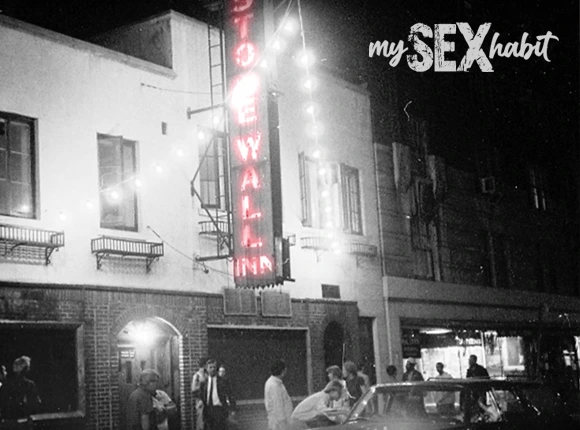
The Greenwich Village of New York City in the late 1960s was a crucible of counter-culture, artistic rebellion, and simmering social change. Amidst the Beat poets and burgeoning folk music scene, a different kind of defiance was quietly brewing, often relegated to the shadows: the resilience of the gay community. It was here, in the early hours of June 28, 1969, that a routine police raid on a Mafia-run gay bar named the Stonewall Inn ignited a fuse that would explode into days of riots, fundamentally altering the course of LGBTQ+ history and birthing the modern gay liberation movement. The Stonewall Riots were not merely a protest; they were a collective roar against decades of systemic oppression, a defiant declaration of existence, and a foundational moment that continues to resonate as a beacon of resistance and pride for the LGBTQ+ community worldwide.
To understand the profound impact of Stonewall, one must first grasp the pervasive climate of fear and discrimination that defined LGBTQ+ life in pre-Stonewall America. Homosexuality was widely criminalized, often deemed a mental illness, and condemned as morally reprehensible. Laws against "sodomy" were commonplace, and "deviant" behavior could lead to arrest, public shaming, loss of employment, and even institutionalization. Police raids on gay establishments were routine, not just in New York but across the nation. These raids were often brutal, involving harassment, extortion, and arbitrary arrests. Bars catering to LGBTQ+ patrons were frequently run by the Mafia, who, while exploiting the community, also offered one of the few places where gay people could gather, albeit precariously, away from direct public scrutiny.
The Stonewall Inn itself was one such establishment – a dingy, crowded, and unlicensed bar on Christopher Street, known for its cheap drinks, dark interior, and welcoming (if illicit) atmosphere for drag queens, runaways, and the most marginalized segments of the gay community. It was one of the few gay bars in the city where dancing was permitted, and it served as a vital, if underground, social hub. On that fateful Saturday morning, as patrons were winding down from the night's festivities, police officers from the New York City Moral Squad burst through the doors, initiating yet another raid. This time, however, something was different.
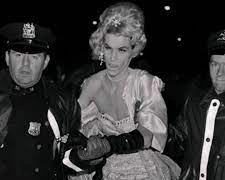
Instead of passively submitting to arrest, the patrons resisted. The raid quickly escalated. As individuals were pushed into paddy wagons, a crowd began to gather outside. The spark of defiance came from various sources – perhaps a lesbian who fought back against an officer, or a drag queen who refused to be manhandled. What started as individual acts of resistance quickly swelled into collective outrage. Bottles, coins, and bricks were thrown. Parking meters were uprooted and used as battering rams. The police, accustomed to easy compliance, found themselves outnumbered and besieged. They barricaded themselves inside the Inn, eventually requiring riot police to disperse the increasingly angry and organized crowd.

These initial clashes on June 28th were just the beginning. The riots continued for six days, with nightly confrontations between LGBTQ+ individuals and their allies against the police. The streets around Christopher Street became a battleground for liberation. Figures like Marsha P. Johnson and Sylvia Rivera, self-identified drag queens and trans women of color, emerged as vocal leaders on the front lines, embodying the fierce spirit of resistance from those most marginalized within the community. Their bravery, and the collective courage of hundreds, transformed a moment of oppression into a revolutionary uprising.
The immediate aftermath of Stonewall was a galvanizing force. Prior to the riots, there had been emerging gay rights organizations, like the Mattachine Society and the Daughters of Bilitis, which largely pursued assimilationist strategies, advocating for quiet respectability and legal reform through lobbying. Their approach, though pioneering, often shied away from confrontational tactics. Stonewall shattered this paradigm. The raw, unapologetic defiance witnessed in Greenwich Village ignited a new sense of urgency and radicalism. Within weeks, the Gay Liberation Front (GLF) was formed in New York, embracing a more confrontational and overtly political stance, calling for broad societal change rather than mere tolerance. Other organizations quickly followed suit across the country and internationally.
What Stonewall means to the LGBTQ+ community is multifaceted and profound. Firstly, it represents a watershed moment of liberation and self-acceptance. For decades, gay people had been told to hide, to be ashamed, to conform. Stonewall was a loud, public rejection of that narrative. It was the moment when the community collectively said, "No more." It crystallized the idea that simply existing as an LGBTQ+ individual was a political act, and that pride in one's identity was a powerful tool for social change. The chant "Gay Power!" emerged, signifying a newfound collective strength and political consciousness.
Secondly, Stonewall became synonymous with visibility and collective action. The riots brought LGBTQ+ issues into the mainstream media, albeit often with derision. But it forced a conversation. More importantly, it showed the power of a marginalized community when it unified and fought back. This collective action led directly to the first Pride Marches, held in June 1970 to commemorate the anniversary of Stonewall. These marches, initially small and vulnerable, have since blossomed into global celebrations of LGBTQ+ life, directly tracing their origins to that pivotal rebellion on Christopher Street. Pride is not just a party; it is a remembrance of that initial struggle and a continued affirmation of existence and resistance.
The shaping of the LGBTQ+ community as a whole by Stonewall is undeniable and spans across every facet of its development.
- Emergence of the Modern LGBTQ+ Rights Movement: Stonewall is widely considered the beginning of the modern gay liberation movement. It shifted the focus from quiet advocacy to overt activism, demanding rights and challenging discriminatory laws head-on. Organizations proliferated, dedicated to everything from legal protection to social support and health advocacy.
- Political Mobilization and Advocacy: The riots spurred significant political organizing. Activists pushed for anti-discrimination laws, challenged existing sodomy laws, and fought for recognition in housing, employment, and public accommodations. Over the decades, this has evolved into powerful political lobbying groups, LGBTQ+ political candidates, and a substantial voting bloc.
- Legal Battles and Reforms: Inspired by the Stonewall spirit, legal challenges against discriminatory practices gained momentum. Cases related to marriage equality, employment protections, and hate crime legislation have been fought and won, many rooted in the legal framework that began to take shape in the post-Stonewall era.
- Identity and Language: The shift from "homosexual" to "gay," "lesbian," "bisexual," and later "transgender," "queer," etc., as terms of self-identification and empowerment, gained traction. Stonewall helped foster an environment where individuals could claim and celebrate their identities, rather than passively accepting labels imposed by society or medical establishments.
- Community Building and Safe Spaces: While the Stonewall Inn was a precarious space, the desire for safe, affirming community spaces intensified after the riots. This led to the creation of LGBTQ+ community centers, bookstores, cafes, and health clinics, offering vital resources and havens for individuals who were often ostracized elsewhere. These spaces became crucial for fostering resilience, solidarity, and cultural production.
- The Transgender Rights Movement: Although often overshadowed in early narratives, the pivotal roles of trans women of color like Marsha P. Johnson and Sylvia Rivera in the Stonewall Riots are increasingly recognized as central to the event. Their presence and leadership underscore that the struggle for liberation at Stonewall was inherently intersectional, laying groundwork for the eventual rise of the modern transgender rights movement as a distinct yet interconnected part of the broader LGBTQ+ fight for rights and recognition.
- Global Impact: The reverberations of Stonewall were not confined to New York. News of the riots spread, inspiring similar acts of resistance and the formation of gay rights groups in other cities and countries. It provided a template for activism and a rallying cry for LGBTQ+ communities around the world, fostering an international movement for human rights.
- Cultural Shift and Representation: The visibility created by Stonewall gradually chipped away at the stigma. Over time, this led to increased representation in arts, media, and popular culture, moving from stereotypical portrayals to more nuanced and affirming depictions of LGBTQ+ lives and experiences. Pride parades, festivals, and cultural events have become annual reminders of this shift.
The legacy of Stonewall continues to inform and inspire the LGBTQ+ community today. Each June, as Pride flags wave and communities gather, it is a direct tribute to those who fought back on Christopher Street. Yet, the work ignited by Stonewall is far from over. Contemporary struggles for trans rights, protections for LGBTQ+ youth, global LGBTQ+ human rights, and the ongoing fight against prejudice and violence echo the same fundamental demand for dignity and equality that was articulated over fifty years ago.
In essence, the Stonewall Riots were more than just a riot; they were a profound act of self-determination, a declaration that LGBTQ+ people would no longer be invisible or accept second-class citizenship. They forged a community out of shared oppression and ignited a movement that has transformed societies, saving countless lives and paving the way for a future where pride, not prejudice, defines the LGBTQ+ experience. The echoes of that summer night in 1969 remain, a timeless reminder that liberation is often born in the crucible of resistance.
